Seichosen Kozo Long Handmade Heritage Washi / Japanese Paper
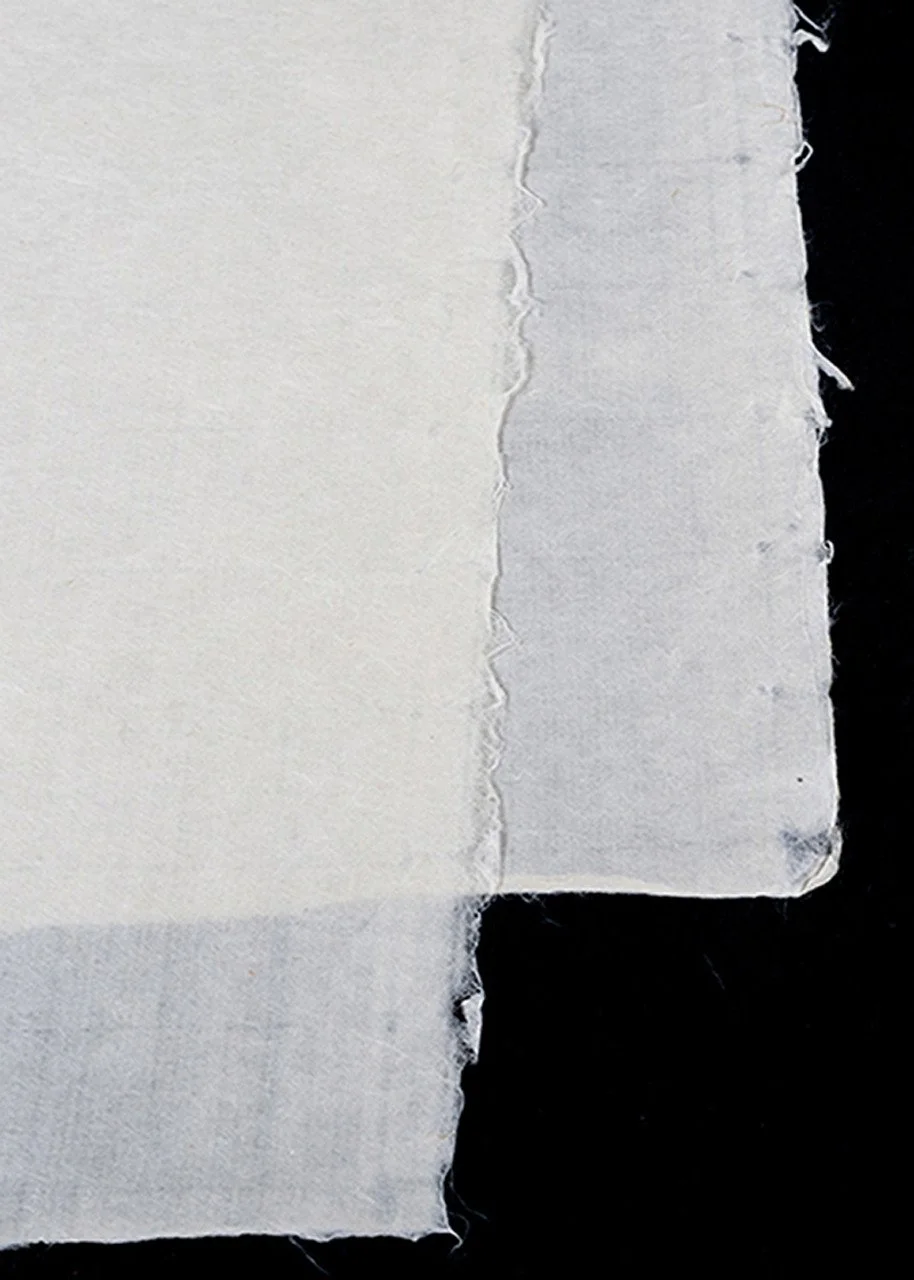

Seichosen Kozo Long Handmade Heritage Washi / Japanese Paper
Fibre Content: 100% Japanese kozo (Tosa)
Weight: 35g
Size: 25.5 x 70.5" / 64 x 179 cm
Usage: Conservation, Repair, Printmaking, Relief Print, Oil Based, Water Based, Shodo, Brush Painting
A top quality handmade paper Seichosen Kozo is dried on traditional wooden boards and so has a slight woodgrain texture on its surface. Excellent for all media though it's a favorite for woodcut, sumi-e and shodo (brush writing). Sunlight & mountain stream bleached, cooked with lime. Made by the Osaki family in Kochi.
Excerpts of interview with papermaker Akari Osaki (via Citizen Watch)
Tosa Seicho is a paper with long and strong fibres made 100% from kozo, a type of mulberry plant. We also make another variety of washi called Seikosen at our workshop. It has short, soft fibres and is 100% made from mitsumata, the oriental paper bush. But Tosa Seicho paper takes ink very well. That’s something that makes it very popular with calligraphers and printmakers.
We’re the only family left that’s still making Tosa Seicho paper with the traditional techniques, doing everything from cultivating the plants to preparing the ingredients and paper forming. I inherited the papermaking business established by my great-grandfather, so I’m the fourth generation.
Papermaking is physically very demanding and involves the repetition of quite mundane and boring tasks. A large sheet of washi is 2 x 6 shaku [63 x 183cm]. Making a piece of paper that big is really challenging.
You rinse the kozo bark in water, then expose it to sunlight to bleach it. You’ll get a longer-lasting paper if you use the power of the sun and its ultraviolet rays. That’s the secret to creating Tosa Seicho paper, which is nicknamed “thousand-year washi” because of its durability.
Once you have your paper sheets ready, the final stage—drying them on the boards and exposing them to sunlight—is key to making thousand-year washi. Because the wooden boards and the washi are both made of plant matter, they stretch and contract in a similar way, meaning the fibres don’t get harmed. That’s another tradition that needs to be preserved. Don’t get me wrong, I’m not obsessive about sticking to tradition. Traditional methods are so demanding that we did experiment with easier methods. In the end, though, we found we just could not make the same quality of paper. That’s why we still use the old methods.